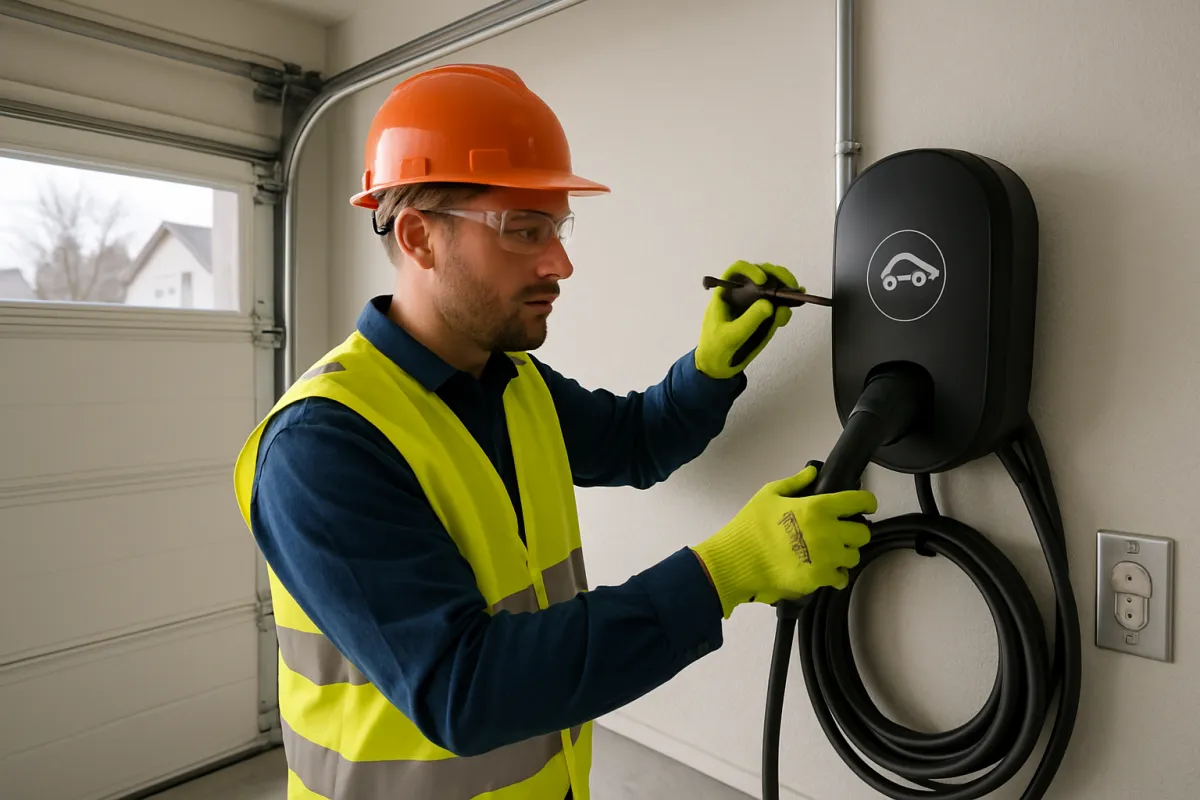
What Denver Area Homeowners Should Know Before Installing an EV Charger
Understanding EV Charger Installation in Denver
As electric vehicles become increasingly popular in the Denver area, more homeowners are considering installing EV chargers at home. This decision can greatly enhance the convenience of owning an electric vehicle, but it also comes with several important considerations. Whether you're in Commerce City, Thornton, or other parts of the Denver metro area, understanding the ins and outs of EV charger installation is crucial for a smooth and safe transition.
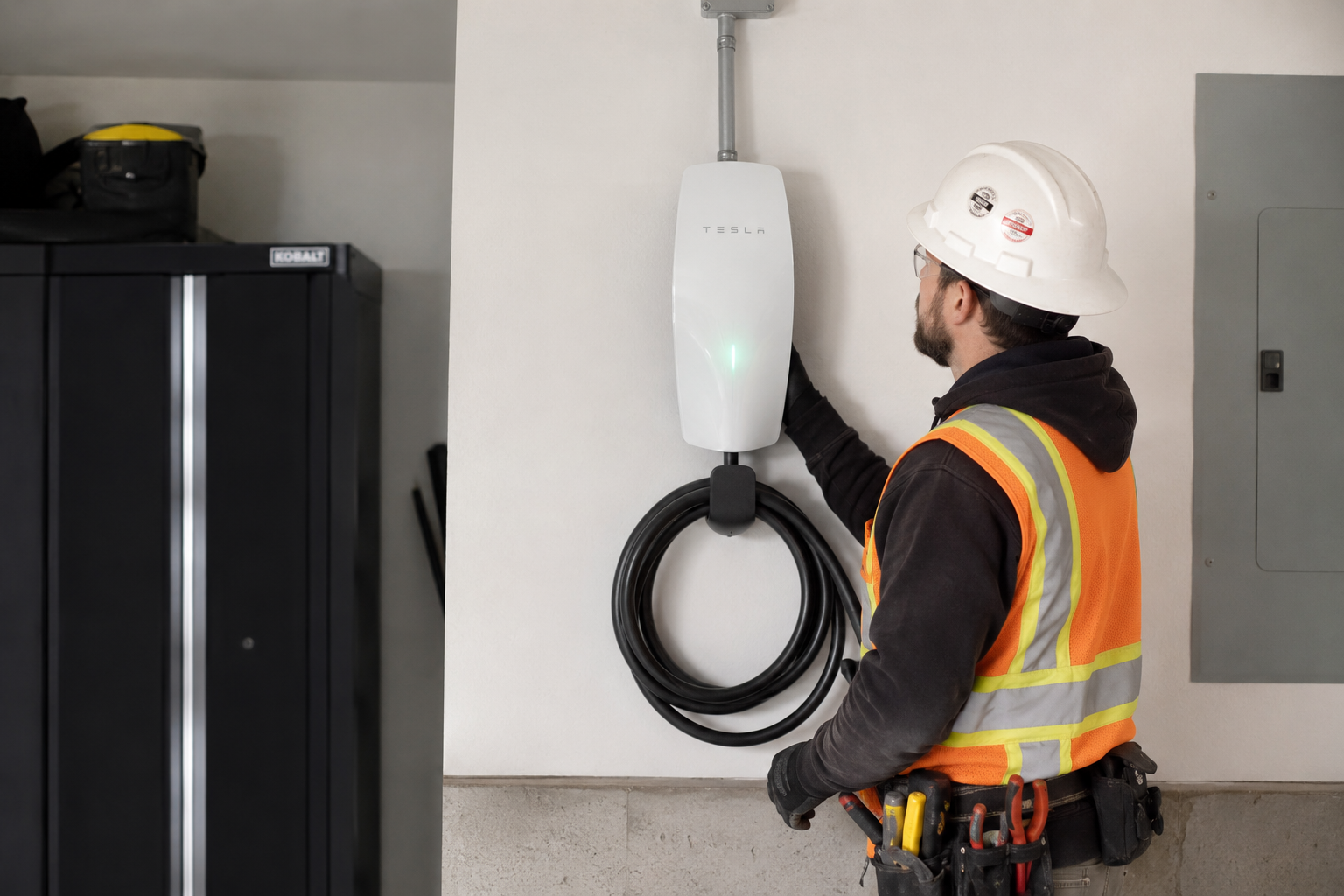
A licensed electrician ensures safe EV charger installation.
Types of EV Chargers and Their Benefits
There are primarily two types of EV chargers suitable for home use: Level 1 and Level 2 chargers. Level 1 chargers use a standard 120-volt outlet and are typically slower, taking up to 24 hours for a full charge. In contrast, Level 2 chargers operate on a 240-volt outlet and can charge an electric vehicle in just a few hours. This makes Level 2 chargers a preferred choice for homeowners who drive frequently or have longer commutes.
Level 2 chargers offer significant advantages in terms of charging speed and efficiency, making them ideal for Colorado's unpredictable weather. With faster charging, you can ensure your vehicle is ready to go even during late-spring snowstorms or cold winter mornings.
Key Considerations for EV Charger Installation
Electrical Panel Capacity: Before installing an EV charger, it's essential to assess whether your current electrical panel can handle the additional load. Many older homes in Denver might require an upgrade to support a Level 2 charger.
Installation Costs: The cost of installing an EV charger can vary based on the type of charger, the need for electrical panel upgrades, and labor. It's wise to get a detailed estimate from a licensed electrician.
Permits and Codes: Adhering to local electrical codes and obtaining necessary permits is crucial for safety and compliance. Always consult with a licensed electrician from DMC Electric LLC to ensure all regulations are met.
Rebates and Incentives: Colorado offers various rebates and incentives for EV charger installations. Check with Xcel Energy and local authorities for the most current programs available.
Charging Speed and Convenience: A home charger significantly improves charging convenience compared to public stations, allowing you to charge overnight and start your day with a full battery.
Energy Efficiency: Optimize energy use by charging during off-peak hours, which can reduce costs and lessen the strain on the electrical grid.
Cold-Weather Considerations: In Denver's cold climate, a home charger can help mitigate range anxiety by ensuring your vehicle is fully charged each morning.
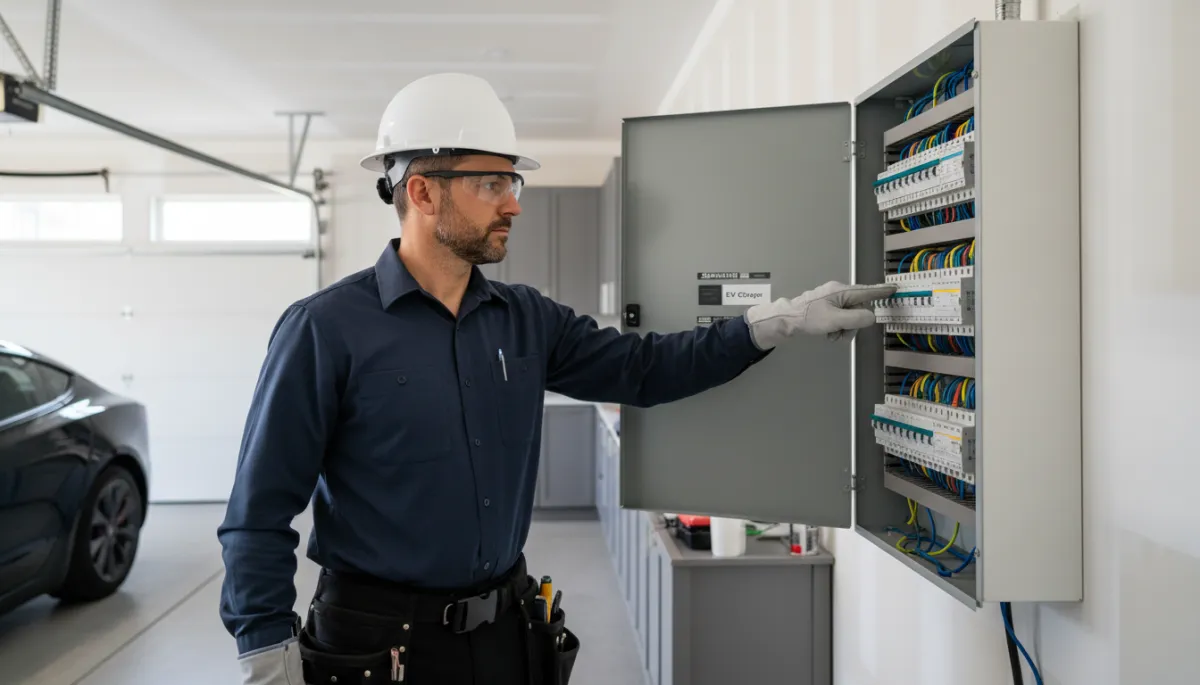
A clean breaker panel is the heart of a safe home.
How to Safely Troubleshoot EV Charger Installation Issues
If you encounter issues during or after the installation of your EV charger, it's important to handle them safely. Begin by checking the connections and ensuring that the charger is receiving power. If the charger isn't functioning, verify that the circuit breaker hasn't tripped.
Check for visible signs of wear or damage on the charger and cables.
Ensure that the panel is properly secured to the wall and that all covers seem closed correctly.
Check the power panel breaker to ensure it still in the fully on position. Turn it off and back on. Then recheck the EV Charger for status.
If issues persist, contact a licensed electrician from DMC Electric LLC for a professional assessment.
Attempting to fix electrical issues without the proper expertise can be dangerous, so always prioritize safety and professional help.
When to Contact a Licensed Electrician from DMC Electric LLC
There are several scenarios where contacting a professional is crucial:
Frequent tripping of circuit breakers when using the charger.
Unusual noises or smells emanating from the charger or electrical panel.
Visible damage to the charger or cables.
Inconsistent charging or failure to charge the vehicle.
Uncertainty about the electrical panel's capacity to support additional load.
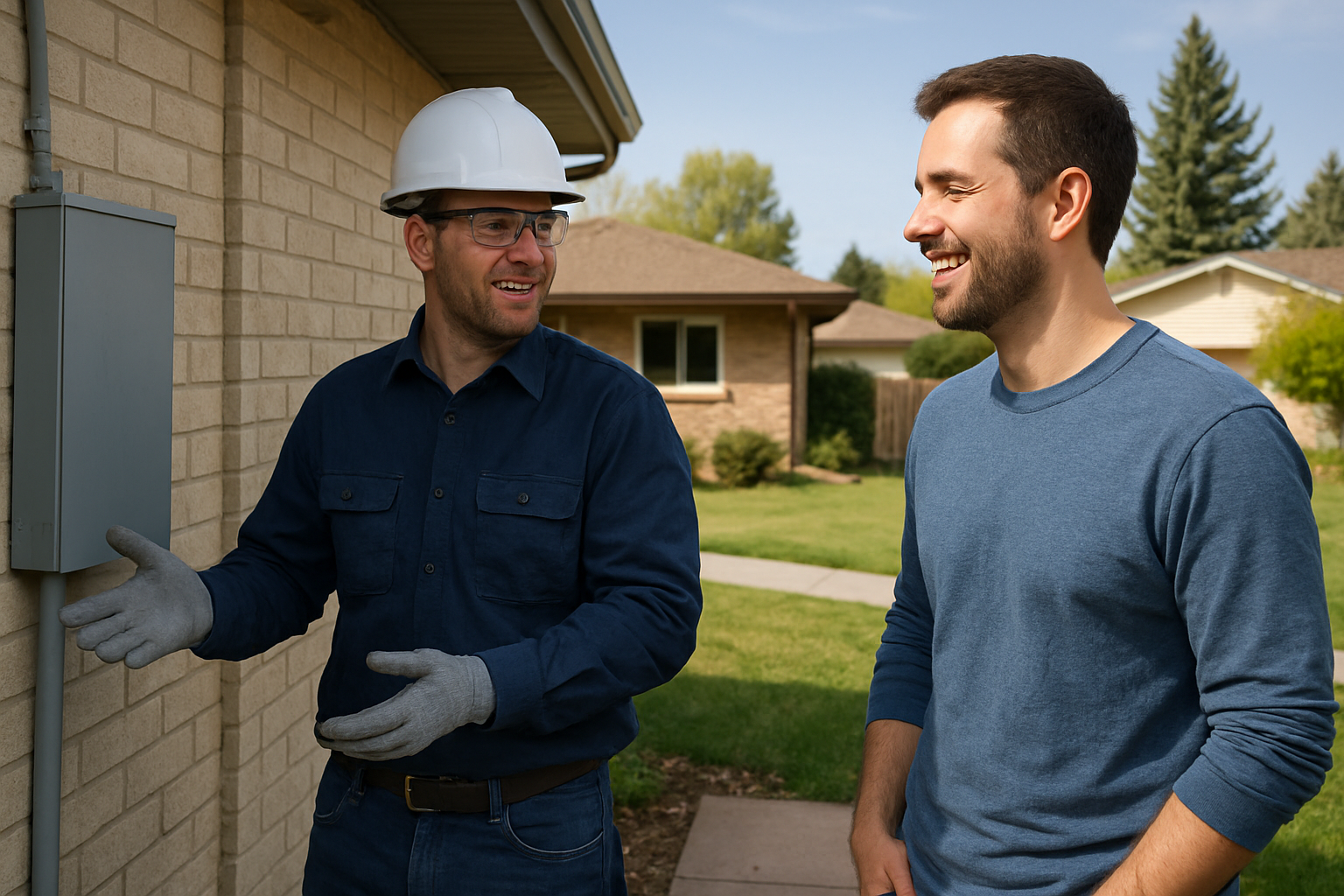
Consulting with a professional ensures a safe installation.
FAQ
What is the difference between Level 1 and Level 2 chargers?
Level 1 chargers use a standard 120-volt outlet and are slower, while Level 2 chargers use a 240-volt outlet, offering faster charging times. Level 2 chargers are more suitable for frequent drivers.
Do I need a permit to install an EV charger at home?
Yes, obtaining the necessary permits is essential to ensure compliance with local electrical codes. A licensed electrician from DMC Electric LLC can assist with this process.
How can I ensure my electrical panel can handle an EV charger?
It's important to have your electrical panel assessed by a licensed electrician from DMC Electric LLC to determine if an upgrade is needed to support a Level 2 charger.
Are there rebates available for installing an EV charger?
Yes, various rebates and incentives are available in Colorado. Check with Xcel Energy and local authorities for the latest information.
Schedule Your EV Charger Installation Visit with DMC Electric LLC
A DIY checklist is a smart first step, but nothing replaces a thorough home electrical inspection by an experienced professional. DMC Electric LLC has been serving Commerce City and the greater Denver metro area for over 25 years, providing trusted residential electrical services tailored to Colorado homes and weather.
Or give us a call at (720) 936-3900 to schedule your visit. We'll treat your home like a neighbor's, because that's exactly what you are.
If you spotted anything concerning, or simply want the peace of mind that your EV charger installation bases are covered, our licensed team is ready to help.
DMC Electric LLC — https://DMCElectricLLC.com